
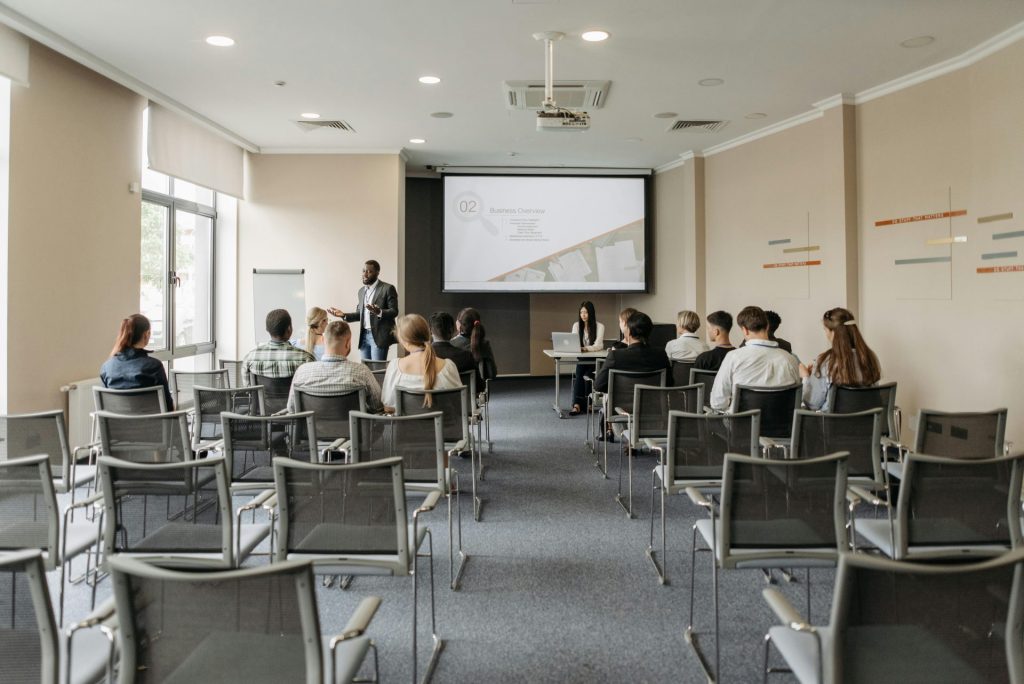
Insights into Organisational Resilience
Resilience isn’t a word for strategy decks, it’s the difference between teams that thrive and teams that crumble under pressure. Too often, organisations wait for disruption before they question the way things are done. By then, it’s already too late.
Real resilience is proactive. It’s about spotting weak points, challenging poor decisions, and building cultures where people think differently before something goes wrong. Because when resilience fails, the cost isn’t just lost productivity, it can be measured in lives.

Culture and Human Behaviour Matter
Too often, resilience strategies focus on structure, not people. Policies and frameworks matter, but they don’t explain how decisions are made under pressure, or why teams break down when things get tough.
Real resilience comes from:
- How your teams interact in the moment
- How knowledge flows across departments
- How leaders create psychological safety
These invisible forces are rarely picked up by traditional audits but they shape everything from incident response to innovation.
Cognitive Bias and Emotional Labour
When we talk about root causes, we often hear terms like “loss of situational awareness.” But what’s really behind that? Humans under pressure rely on experience, emotion, and short-term memory. Biases creep in. Emotional strain builds. And unspoken assumptions drive behaviour.
Frontline teams might suppress how they feel to maintain professionalism but over time, this emotional dissonance erodes wellbeing and performance.
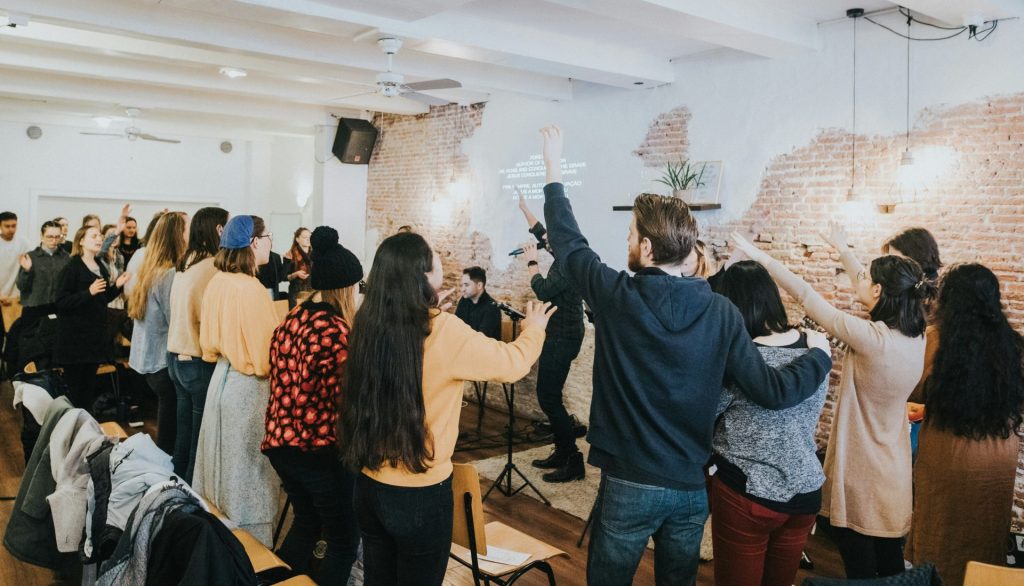
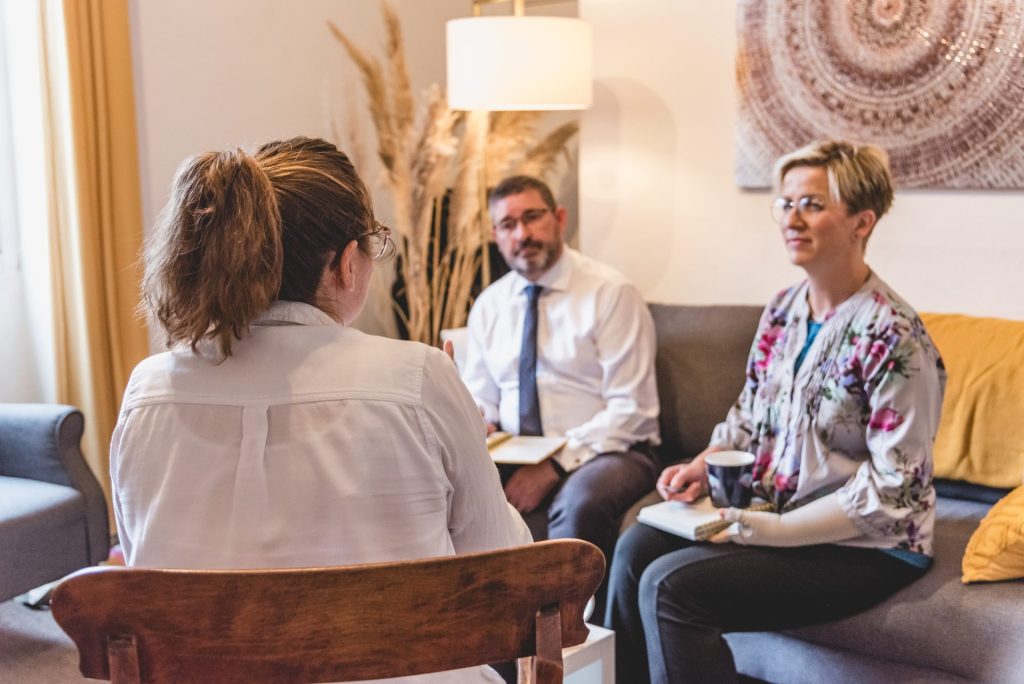
Coordination and Communication
Diverse thinking is key to organisational agility, but without intentional culture design, it can be drowned out. We need psychological safety and the right incentives to unlock critical reflection, learning, and shared understanding.
Informal networks often hold the real expertise. When these networks are unsupported or ignored, resilience suffers. That’s why my approach always considers the full human system from formal structures and informal dynamics.
Decision-Making Under Pressure
Stress changes how we think. During critical incidents, people rely on gut feeling more than logic. Many organisations expect rational decision-making but don’t account for the very human limitations that emerge under pressure.
That’s a serious risk, and a major opportunity for improvement that I will help you identify.
Silos
Silos are often treated as structural problems, but they are rooted in human behaviour, identity, and culture. This insight aims to explore how silos form, why they persist, and how everyday leadership choices, especially under pressure, can either reinforce division or enable collaboration across boundaries.
Silence
Silence at work is rarely neutral. This insight explores why people withhold information – through feelings of fear, futility, loyalty, or self-protection – and how silence quietly erodes learning, performance, and safety.
Deviation of Norms
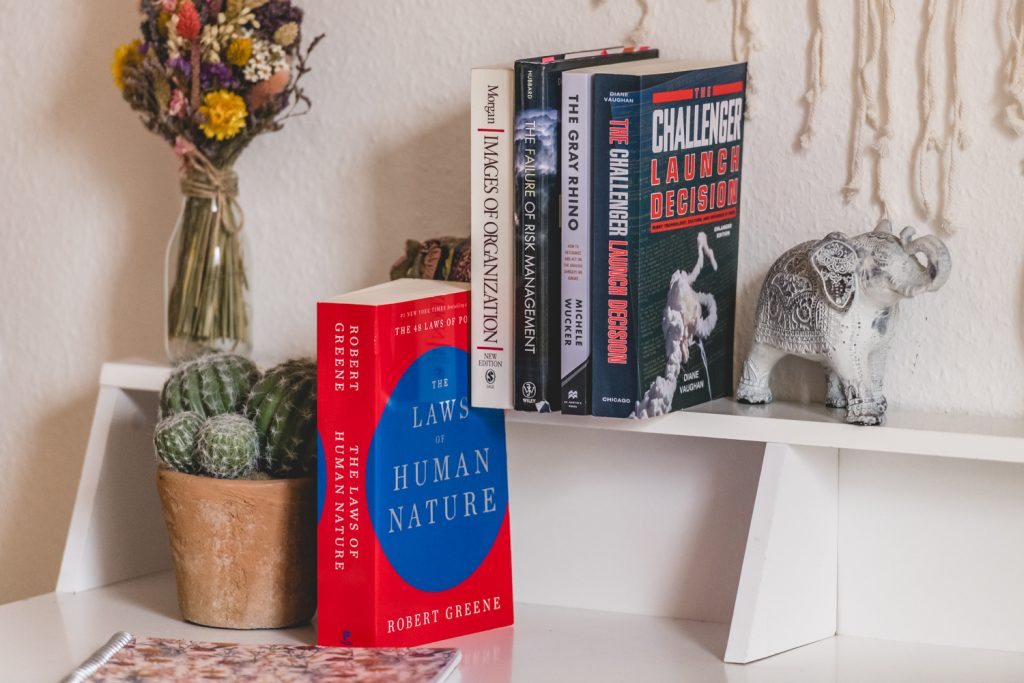
Failure rarely begins with recklessness. This insight explores how risky practices become normal over time through pressure, familiarity, and repeated success. Drawing on Diane Vaughan’s work and real-world examples, it examines how everyday decisions can shift boundaries until deviation becomes routine.
Decision Making
Decision making is rarely a purely rational act. This insight explores how mental models, experience, bias, and organisational context shape what makes sense in the moment.
The conversation doesn’t stop here.
While this page holds my core resources, my LinkedIn is where I process the reality of workplace culture. It’s where I demystify complex academic research, share insights, and engage with the global leaders who are rethinking resilience.
Follow the journey and add your voice to the mix. Let’s connect.

© 2026 Connelly Consulting